Space science
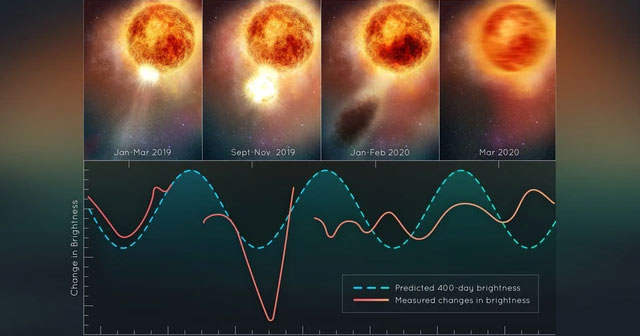
Betelgeuse's Massive Threat: If It Explodes, Could It Swallow the Earth?
At the edge of the universe, the star cluster Betelgeuse burns silently, famous for its enormous power and strange energy.
Browse ScienceInfo articles and explainers related to Star Cluster.
20 published items.
At the edge of the universe, the star cluster Betelgeuse burns silently, famous for its enormous power and strange energy.
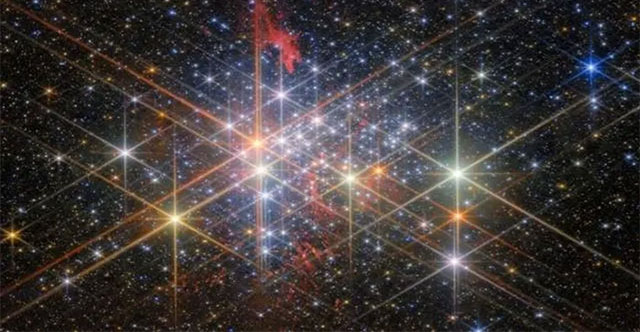
After years of being obscured by dust and gas, the largest young supercluster in the Milky Way - Westerlund 1 - has finally been discovered by the James Webb Space Teles…
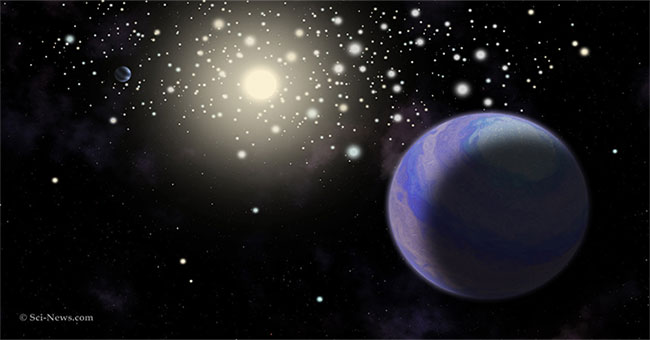
There are two new exoplanets named EPIC 211964830b in turn and c unexpectedly entered the scientific world.

Dr. Denilso Camargo of Colégio Militar de Porto Alegre, Brazil discovered five new globular clusters in the Milky Way galaxy, considered to contain hundreds of thousands…
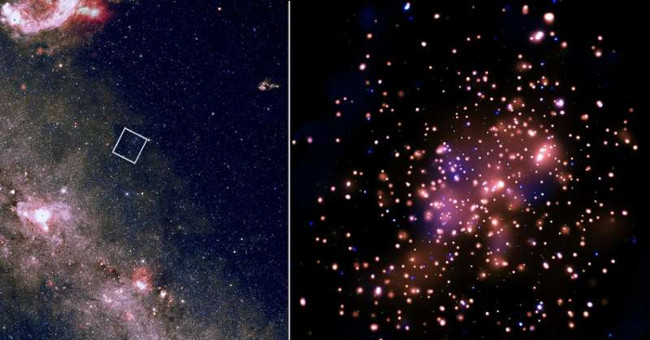
NGC 6231, located about 5,200 light years from Earth, is an ideal test to study a cluster of young stars, at a critical stage in its evolution.
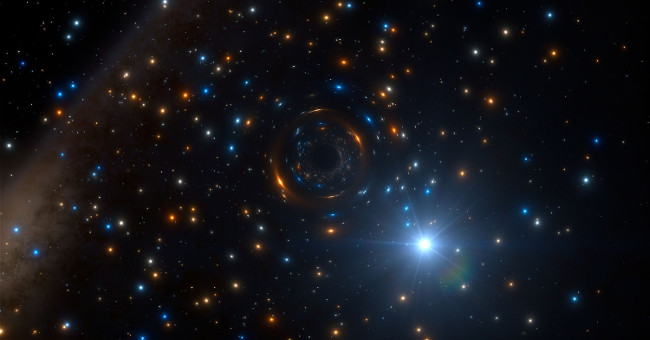
Astronomers use ESO's MUSE device on the Very Large Telescope in Chile to discover a strange star in NGC 3201 cluster.
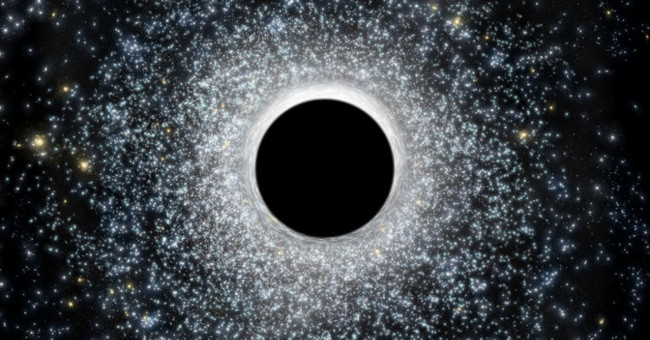
The researchers have found evidence of a new type of black hole, which is 2,200 times the mass of the Sun, hidden in a dense cluster.
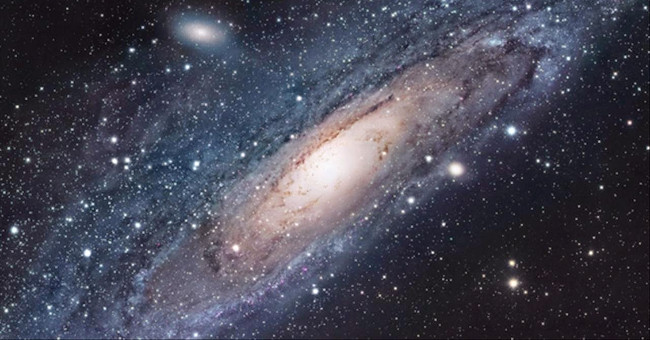
A strange group of stars has just been found in the center of the Milky Way, with unpredictable moves.
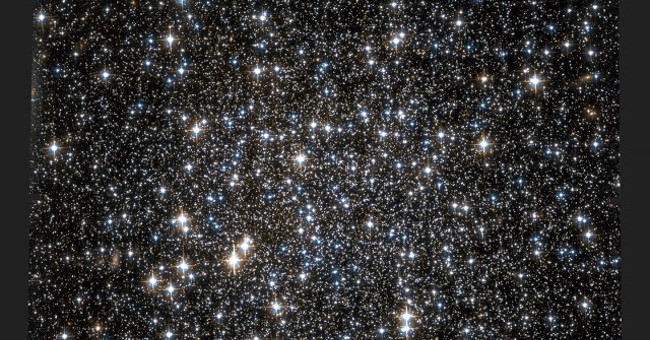
Based on computer simulations, scientists discovered that the globular cluster area NGC 6101 contained hundreds of black holes.
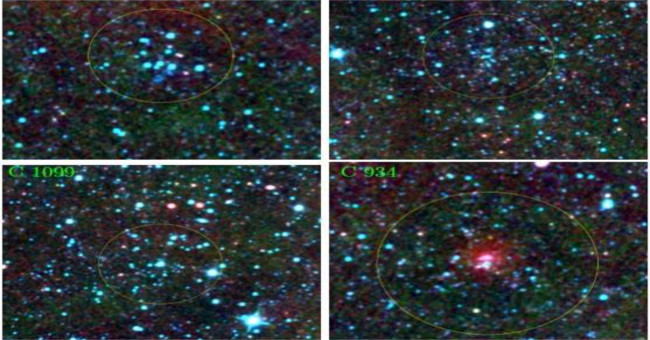
The galaxy's ring disc suddenly appeared 7 curious curiosities of attention.
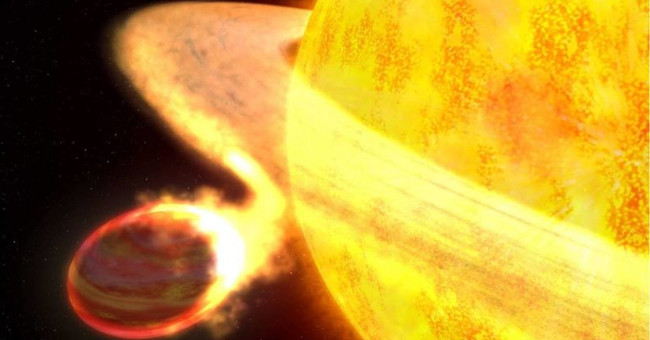
The stars may turn pink when swallowing an iron-rich planet, similar to the pink-feathered crane birds that eat a lot of shrimp.
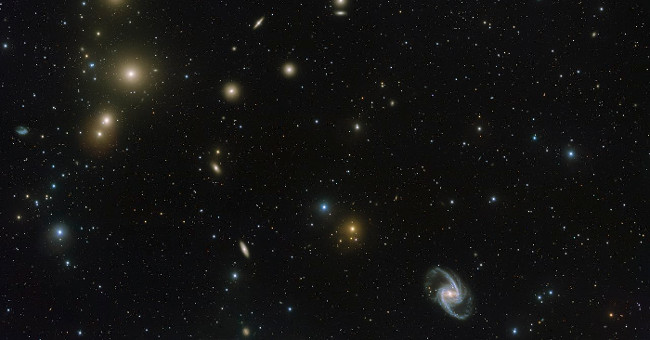
Between the Celestial clusters, there are three bright spots, the middle spot is the cD galaxy - also known as the carnivorous galaxy because it grows by using gravity t…
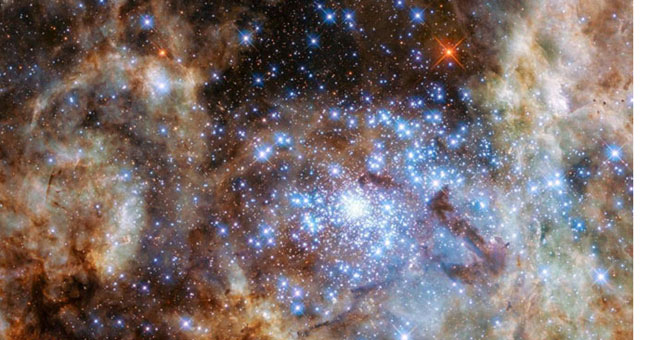
Scientists have found the largest star cluster in the universe to date, with a brightness of 30 million times the Sun.
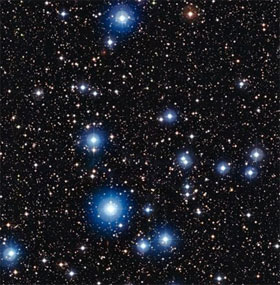
Some of the Milky Way stars must be 13 billion years old, but the production machine is constantly working to produce new generation of stars.
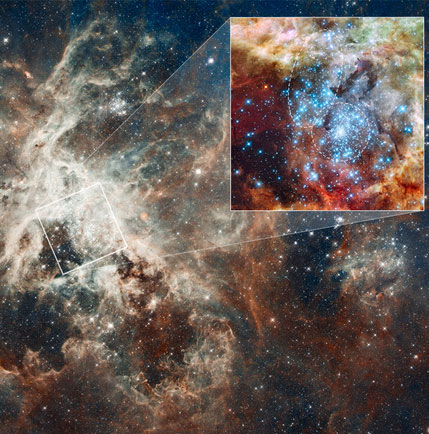
The new image from the Hubble Space Telescope of the US Space Agency (NASA) shows that the two cluster clusters seem to be in the early stages of consolidation into one.